
Milestone Inspections
(Florida “Milestone Inspections” Information
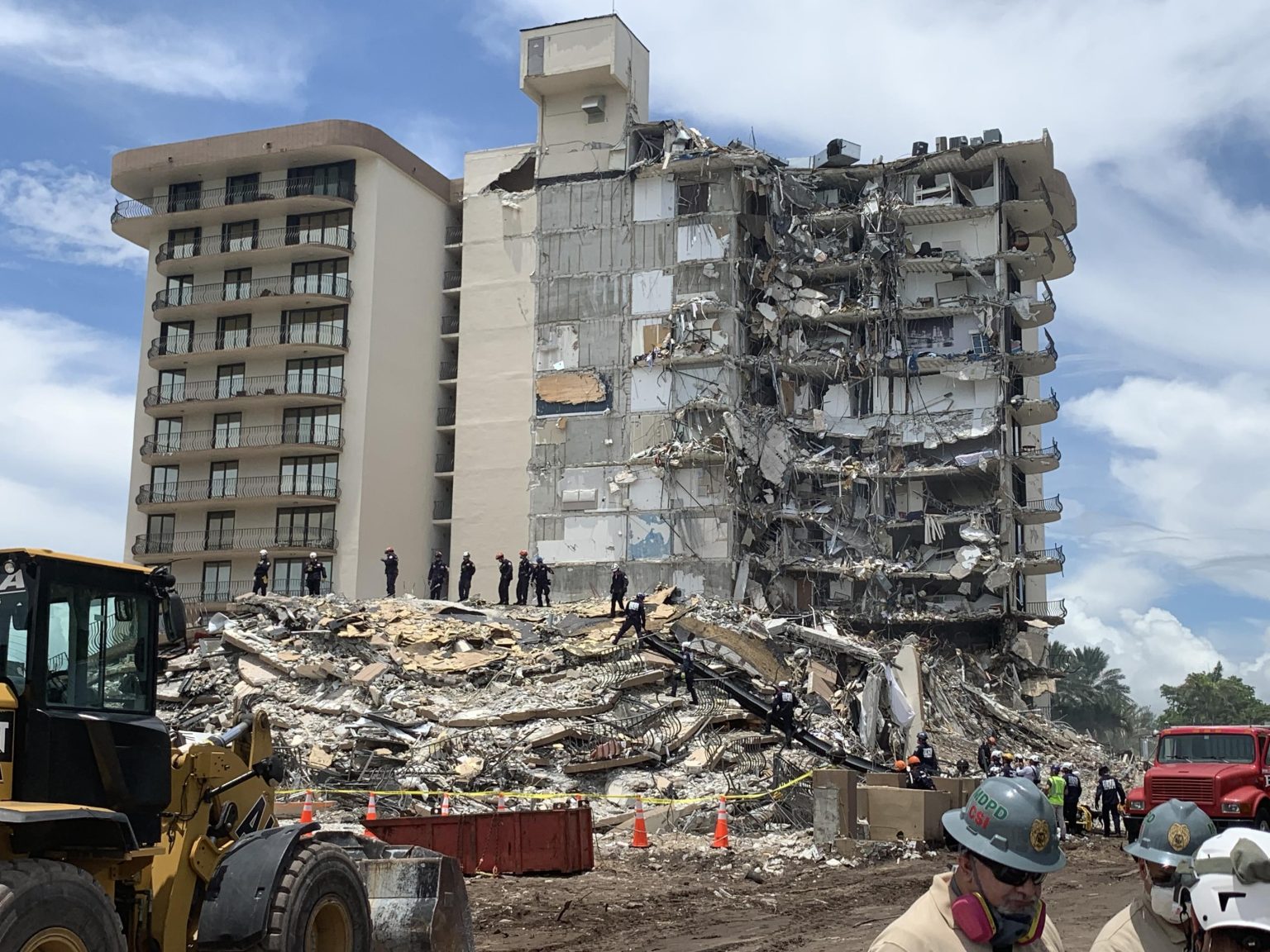 Florida’s milestone inspection law (SB 4-D, amending Chapter 553, Florida Statutes) requires mandatory structural inspections for condo and co-op buildings 3+ stories tall at 30 years old (or 25 years if within 3 miles of the coastline), and every 10 years thereafter. The first phase-one inspection must be filed by Dec 31, 2024, for older buildings, with subsequent compliance required for younger buildings reaching the age threshold.
- Applicability: Buildings three or more stories in height that are residential condominiums (Chapter 718) or cooperatives (Chapter 719).
- Deadlines:
- 30+ Years Old (as of July 1, 2022): Must have the first inspection completed by December 31, 2024.
- 25-30 Years Old (as of July 1, 2022): Must have the first inspection completed by December 31, 2025.
- Process:
- Phase 1: A licensed architect or engineer performs a visual inspection to check for structural distress.
- Phase 2: Required only if the Phase 1 inspection identifies substantial structural deterioration.
- Reporting: The inspector must submit a summary report to the condominium association and the local building official.
- Consequences: Failure to comply can lead to fines, lawsuits against the association, and potential personal liability for board members.
- Funding: Associations cannot waive reserve funding for structural repairs identified in the inspection (structural integrity reserve studies).
The new rule also mandates that condo organizations review their reserve money (SIRS) every ten years to ensure that they can cover substantial repairs and have the reserve set up by Dec 31, 2024. We also offer the reserve calculations to implement compliance with the new mandate.
Associated General Kinetics LLC can do all the structural and electrical portions of these “milestone inspections”, as well as determine what is or is not required for your buildings.
Associated General Kinetics LLC is an Arpin Associates, LLC affiliate and can help clarify your milestone inspection needs. We welcome your call and will make every effort to provide you with the accurate information you need. Contact us at 954-772-5345.
What is the Milestone Inspections?
The “milestone inspections” is a structural inspection of a building by a licensed architect or engineer, including its load-bearing walls and primary structural systems. The purpose is to confirm the life safety and adequacy of the building’s structural components and determine its general structural condition as it affects building safety. The “milestone inspections” should include, to the extent reasonably possible, a determination of any necessary maintenance, repair, or replacement of any structural component of the building.
A “milestone inspection” consists of two phases:
In phase one of the “milestone inspection”, a licensed architect or engineer shall perform a visual examination of habitable and non-habitable areas of a building, including the major structural components of a building, and provide a qualitative assessment of the structural conditions of the building. If the architect or engineer finds no signs of substantial structural deterioration to any building components under visual examination, phase two of the inspection is not required. The architect or engineer who completes a phase one milestone inspection shall prepare and submit an inspection report to the condominium association or cooperative association, and to the building official of the local government which has jurisdiction.
Phase two of the milestone inspection must be performed if any substantial structural deterioration is identified during phase one.
Who can do a milestone inspection?
A licensed architect or engineer authorized to practice in Florida for the purposes of attesting to the life safety and adequacy of the structural components of the building and, to the extent reasonably possible, determining the general structural condition of the building as it affects the safety of the building, including a determination of any necessary maintenance, repair, or replacement of any structural component of the building.
Associated General Kinetics LLC, an affiliate of Arpin Associates, LLC, has engineers able to meet all milestone inspection needs and can answer your questions about this new legislation. Contact us at 954-772-5345. See the Disclosure Requirements for Milestone Inspections and Structural Integrity Documentation here.
What does a phase one inspection entail?
A milestone inspection consists of two phases. For phase one, a licensed architect or engineer performs a visual examination of a building, including its major structural components, and provides a qualitative assessment of the building’s structural condition. If no signs of substantial structural deterioration are found, then a phase two inspection is not required. “Substantial structural deterioration” means substantial structural distress that negatively affects a building’s general structural condition and integrity. It does not include surface imperfections (cracks, sagging, signs of leakage, peeling of finishes, etc.) unless they are a sign of substantial structural deterioration.
Disclosure Requirements HB 913
 On June 23, 2025, Governor Desantis signed HB 913 into law. Except as otherwise provided in the act, effective July 1, 2025, new disclosure requirements are created for certain professional licensees when intending to bid to perform services related to milestone inspections and structural integrity reserve studies, as follows:
Milestone Inspections
- Architects and engineers who bid to perform milestone inspections are now required to disclose in writing to a condominium or cooperative association their intent to bid on services related to any maintenance, repair, or replacement which may be recommended by the milestone inspection.
- Any design professional (architect, engineer, interior designer, surveyor, or geologist geologist) or licensed contractor who submits a bid to a condominium or cooperative association to perform any services recommended by a milestone inspection must disclose in writing to the association that they or their relative has an interest, directly or indirectly, in the firm or entity that performed the milestone inspection.
- If the required disclosure is not provided, then the contract between the association and the design professional or contractor is voidable and the condominium or cooperative association can terminate the contract upon written notice to the design professional or contractor.
- Failing to provide required disclosures may constitute grounds for disciplinary action against a licensee under the applicable professional practice act.
Structural Integrity Reserve Studies
- Any design professional or licensed contractor who bids to perform structural integrity reserve studies is now required to disclose in writing to a condominium or cooperative association his or her intent to bid on any services related to any maintenance, repair, or replacement, that may be recommended by the structural integrity reserve study.
- Any design professional or licensed contractor who submits a bid to a condominium or cooperative association to perform services recommended by a structural integrity reserve study must disclose in writing that they or their relative has an interest, directly or indirectly, in the firm or entity that performed the structural integrity reserve study.
- If the required disclosure is not provided, then the contract between the association and the design professional or contractor is voidable and the condominium or cooperative association can terminate the contract upon written notice to the design professional or contractor.
- Failing to provide required disclosures may constitute grounds for disciplinary action against a licensee under the applicable professional practice act.
To see the full statutory changes click here.
Typical proposal for a condominium complex in Broward County, Florida.
- Inspection of 30 Condominium buildings
- MILESTONE Structural report per S.627.706
- 2 site trips per building
- No per-incident fee
- Overview of the fire dept. life/health/safety codes NFPA 101 included
- Extra folios $186.00 ea
- Extra trips if necessary $124.00
- Board meetings included
- Inspection is done on-site with the building manager present
- Available for a preliminary meeting to determine and access SIRS (structural integrity reserve study) feasibility
- Separate milestone reports for each building
- Phase II inspection will be done if necessary
What should you expect to get after an inspection is completed?
What should you expect to get after an inspection is completed?
Upon completion of a phase one or phase two milestone inspection, the architect or engineer must submit a sealed copy of the inspection report to the condominium association, along with a separate summary of material findings and recommendations. A copy must also be furnished to the appropriate local building authority. The inspection report must include all the information required by the statute. Condominium associations must then distribute the inspector’s summary to each unit owner and post a copy in a conspicuous place on the condominium property.
The inspection report must, at a minimum, meet all the following criteria:
- Bear the seal and signature, or the electronic signature, of the licensed engineer or architect who performed the inspection.
- Indicate the manner and type of inspection forming the basis for the inspection report.
- Identify any substantial structural deterioration, within a reasonable professional probability based on the scope of the inspection, describe the extent of such deterioration, and identify any recommended repairs for such deterioration.
- State whether unsafe or dangerous conditions, as those terms are defined in the Florida Building Code, were observed.
- Recommend any remedial or preventive repair for any items that are damaged but are not substantial structural deterioration.
- Identify and describe any items requiring further inspection.
- The association must distribute a copy of the inspector-prepared summary of the inspection to all owners.
- If structural repairs are necessary, a phase 2 inspection must be done.
What can a phase two inspection entail?
A phase two milestone inspection must be performed if any substantial structural deterioration is identified during phase one. The inspection may be as extensive or as limited as necessary to fully assess areas of structural distress to confirm that the building is structurally sound and safe for its intended use and to recommend a program for fully assessing and repairing distressed and damaged portions of the building. The phase two inspection may involve destructive testing at the inspector’s direction, though preference must be given to locations that are the least disruptive and most easily repairable.